|
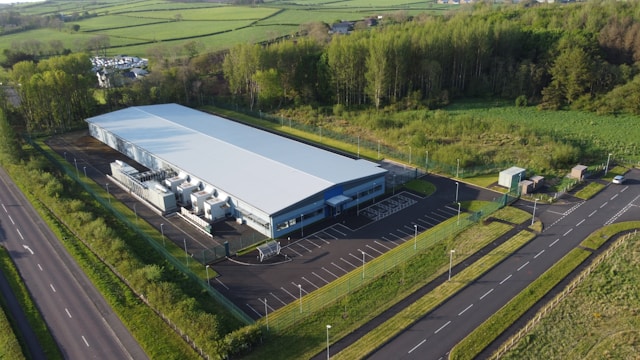
The sheer volume of stories about data centres and digital infrastructure, both positive and negative, reflect the financial pressures and increased scrutiny the industry is under. In the UK, the fanfare around data centre investment has died down somewhat. In its place are questions about the cost, time frame and environmental implications of these investments, assuming they come to fruition. Earlier this month OpenAI announced that they were shelving £31 billion of planned spending on a UK “Stargate” data center. Energy costs and regulations were cited as the main reason for rolling back on the deal.
In the UK and EU regulators are giving increased attention to planned digital infrastructure investment. Frameworks like the Energy Efficiency Directive (EED) have major implications for any industry relying on energy intensive infrastructure, such as hyperscale data centers. Chris Adams of the Green Web Foundation wrote a useful primer on its implications for European Data Centers. It’s something that would hopefully stop Elon Musk’s gas turbine powered data center in Memphis from being allowed in Europe.
Legislative pressure here seems to be having a bifurcating effect on how transparent big tech companies are when they talk about their environmental footprints. On the one hand there appears to be a general trend of companies talking less about their carbon footprints. This Fast Company article reminds us that Google’ s sustainability sub-site, barely mentions sustainability at all (if you are a climate communicator and want to see a masterclass in obfuscation and misdirection, give the site a visit).
On the other hand platforms like AWS are talking up their sustainability efforts. Perhaps spurred on by an increasing backlash against new data centres, the article above from Data Centre Magazine addresses issues such as Power Usage Efficiency (PUE), water consumption, renewable power (albeit from matched contracts) and more. I can’t comment on the veracity of their claims but it’s a more transparent approach to that taken on Google’s sustainability landing page – Making AI helpful for everyone, including the planet…
Elsewhere in infrastructure news, Microsoft has been making cost cutting measures with environmental implications of their own. Heatmap News and Coral Carbon both report Microsoft’s decision to pause carbon renewal purchases. This is bigger news than it sounds, given that Microsoft is responsible for around 80% of all carbon removal contracts sold. While questions around the efficacy and scalability of the technology have refused to go away in recent years many climate scientists believe that carbon capture will have to play a key role in combating climate change. It’s unclear how the industry will continue in the short to medium term without Microsoft’s contracts.
Pausing carbon capture spending might reflect wider cost cutting efforts at the tech giant. The Verge reports that Microsoft has started to remove AI buttons on Windows 11. While the underlying AI tech remains, the Copilot button is being removed from various aspects of the operating system. You could be forgiven for thinking that unnecessary AI usage is costing the company too much. It certainly looks like a step back from the “AI in everything” trends we’ve seen in the last 12 months. There are certainly signs that compute costs are becoming unsustainable across big tech companies (see OpenAI killing Sora and Meta cutting 10% of their staff for other possible examples).
The bigger question is if any of this a sign that the AI bubble is about to burst/contract/become a big tech whoopee cushion? Check back next month for more speculation!
|